Most will never be read. We're changing that — bringing communities together through hands-on science education, open data, and real discovery. No background required. Everyone is welcome.
The species that get sequenced are the ones that attract grants, serve as model organisms, or hold commercial value. Meanwhile, thousands of ecologically vital species — the ones quietly holding ecosystems together — are left out. Not because they're unimportant, but because no institution prioritized them.
The Mosaic Science puts that choice in the hands of communities. We produce open-access reference genomes for understudied organisms, build free educational tools, and train anyone who wants to learn — through hands-on workshops, real data, and real discovery. No prerequisites. No gatekeepers.
Most species on Earth have never had their genomes sequenced. Not because the technology doesn't exist, but because funding follows a narrow set of organisms — model species, commercial crops, charismatic megafauna. Thousands of ecologically vital species are simply left out of the genomic record.
We let communities decide which species matter. Anyone can nominate an organism. The public votes. We sequence the genome, publish everything open access, and build free tools and workshops so anyone can participate in real science — regardless of background.
Every genome we produce goes straight to GenBank. Every tool we build is open source. Every workshop is free. The data belongs to everyone, forever.
We sequence and openly publish reference genomes for species that are locally important, ecologically iconic, or simply overlooked. The community decides what gets sequenced next — anyone can nominate a species, and the public votes on which genome we tackle. Every dataset goes straight to GenBank, free forever.
ActiveFree, hands-on sessions where community members learn real bioinformatics — from DNA extraction to genome assembly. No prior experience needed. We teach everything from scratch.
Launching Summer 2026Interactive games and educational tools that make biodiversity data tangible and fun. Genome explorers, species identification challenges, and ecology simulations — all open source.
In Development
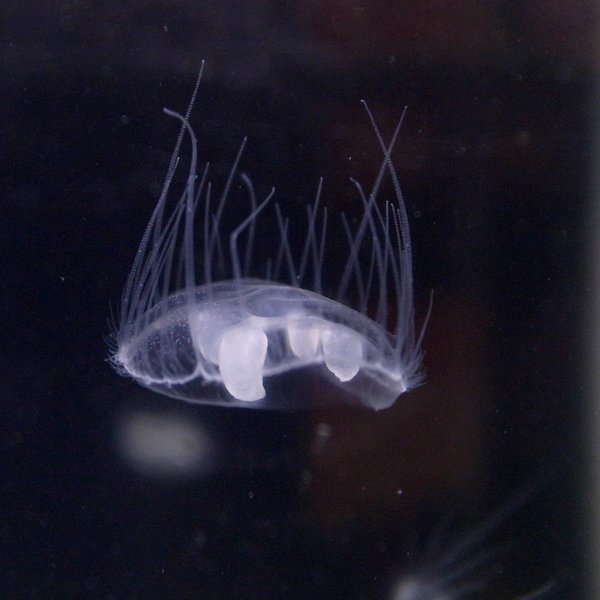
A cryptic invasive spreading silently through Michigan's inland lakes. Population genomics could reveal how it colonizes new waterways and inform early detection strategies.
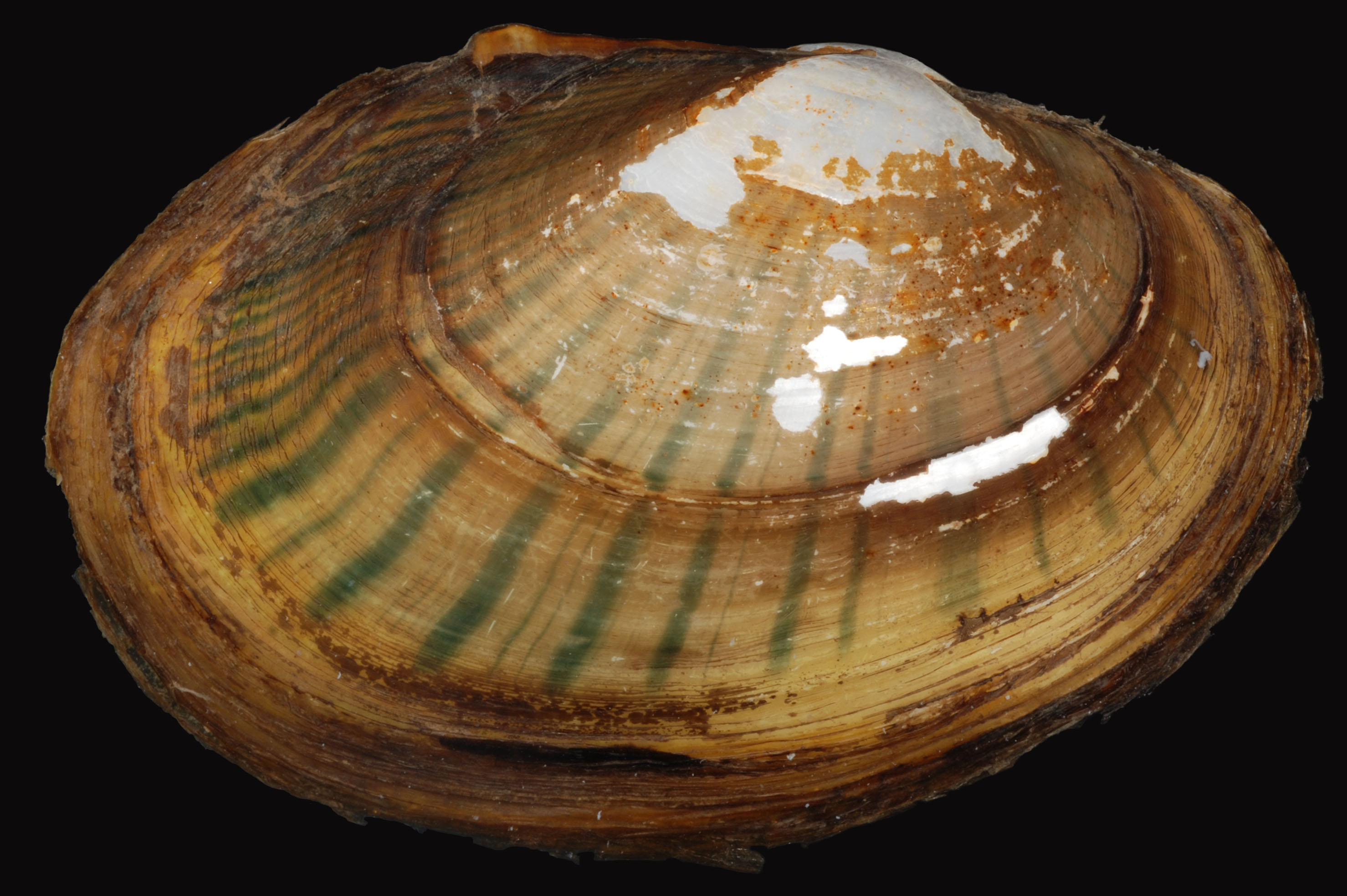
Michigan hosts 45 species of freshwater mussels — among the most endangered animals in North America. Most lack reference genomes critical for conservation management.
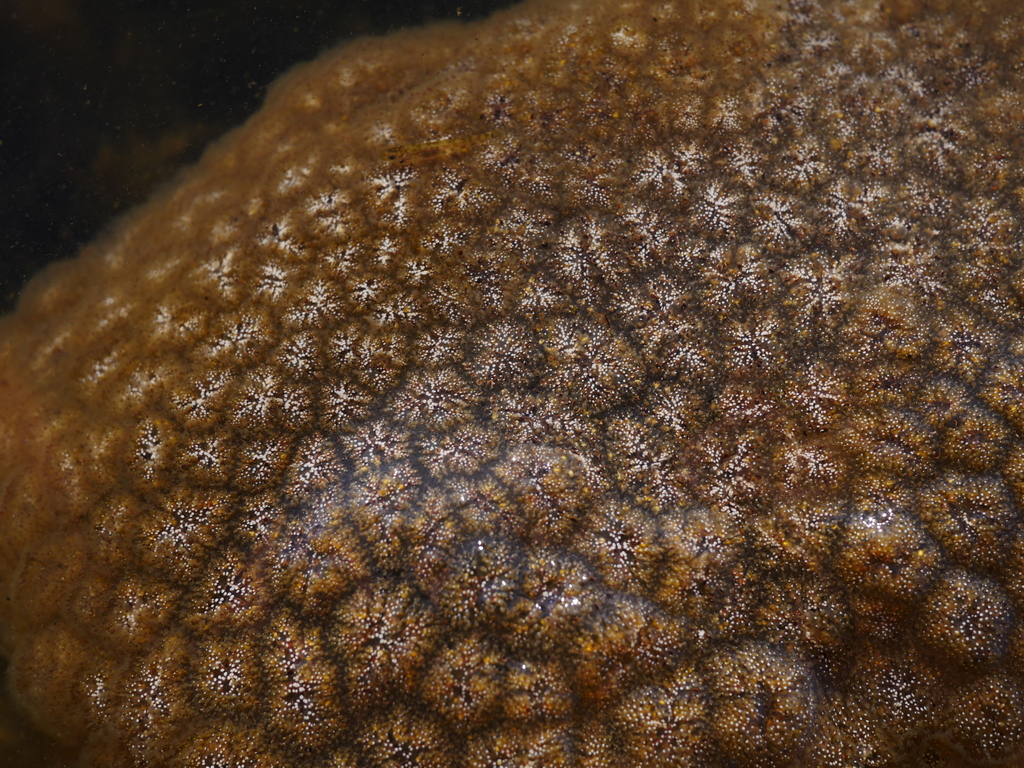
Gelatinous, brain-like colonies that grow on submerged branches. People find them and have no idea what they're looking at. No nuclear genome exists — not even from its native range in North America.
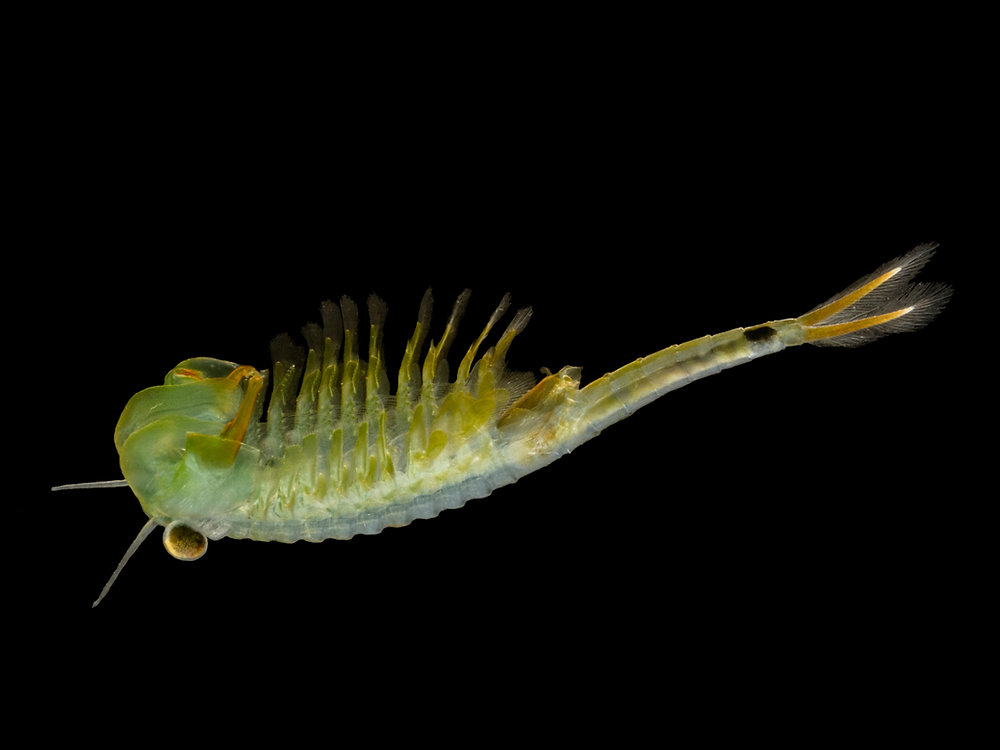
Ancient crustaceans that hatch in Michigan's vernal pools each spring and vanish weeks later. No genome exists for any of the 21 species in this genus.
More organisms coming — nominate a species
Reference genomes and barcode sequences deposited in NCBI GenBank. Freely downloadable by any researcher worldwide.
Analysis pipelines, genome assembly scripts, visualization code, and workshop materials. All open source.
Curated occurrence records for our focal organisms, compiled from GBIF, iNaturalist, USGS, and literature. Darwin Core format.
Extract DNA, run a nanopore sequencer, and see a genome take shape in real time. No biology background required. Ann Arbor area.
Learn to assemble genomes, align sequences, and explore biodiversity data using free, open-source tools on your own laptop.
Free, hands-on sessions where you learn to work with real genomic data. Upcoming workshops will be announced here and on our social media channels.
Our crowdfunding campaigns let you directly sponsor the sequencing of a species. Every dollar goes to reagents, flow cells, and open data. Tax-deductible donations coming soon.
We're actively seeking partners — university researchers, conservation organizations, teachers, and citizen scientists. If you have specimens, expertise, or enthusiasm, reach out.
Know an overlooked organism in your backyard that deserves a genome? Tell us about it. The community votes on what we sequence next.